
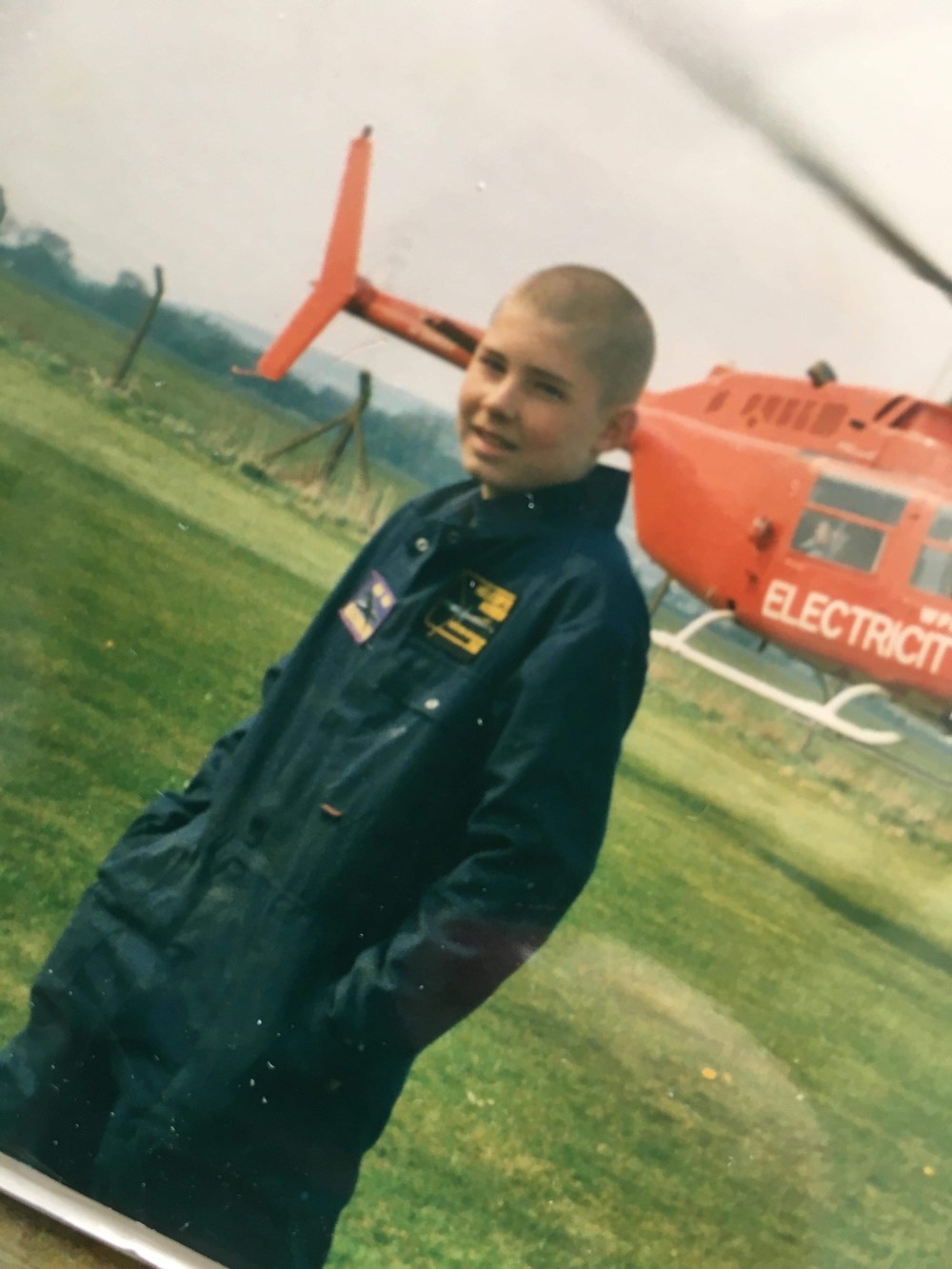
This one had been a long time coming. I grew up around the 206, more specifically two of them. G-BEWY and G-MFMF (below) were pivotal in my youth, they were the first helicopters I ever spent considerable time around when they were turning and burning. I was 12, shaved head, in Helicopter Museum overalls, watching as it did Air Experience Flights for passengers from the museum helipad around the Weston-super-Mare coastline.
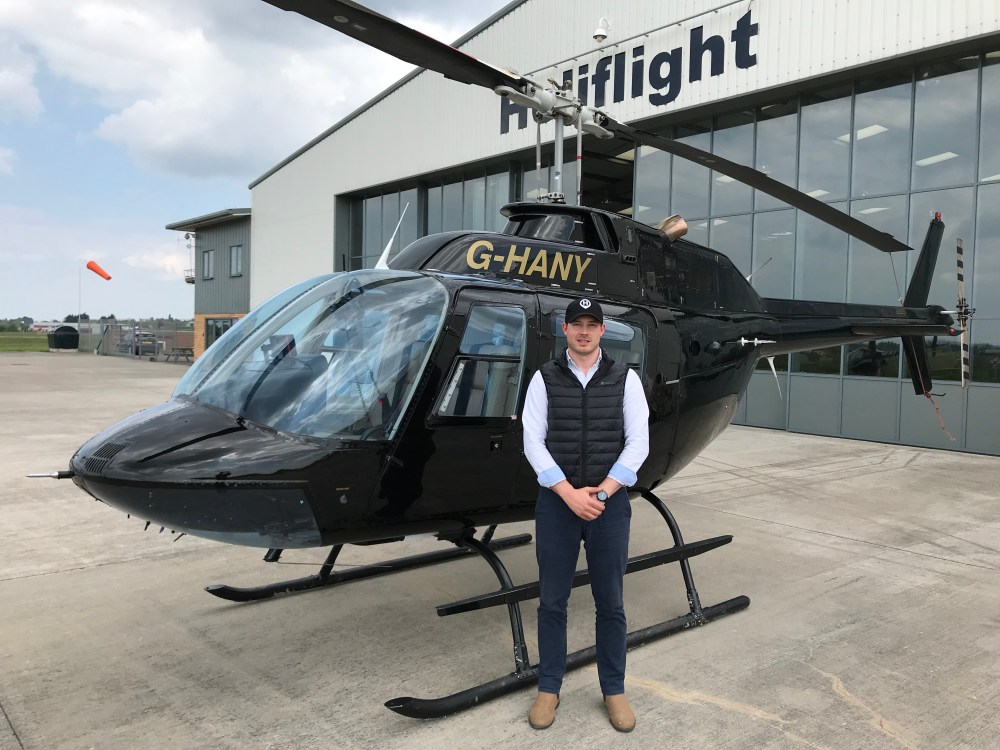
Fast forward almost exactly 17 years, its a wet and cold Wednesday morning, I’ve just flown into the UK from Paris and I’m walking through the front doors of the immaculately presented training school of HeliFlight UK. I’m greeted by Jules, who will be my instructor for the Type Rating, I’d met Jules briefly, 2 weeks previous at the helicopter museum in fact, he was flying the exact 206 I’d be doing my rating in.
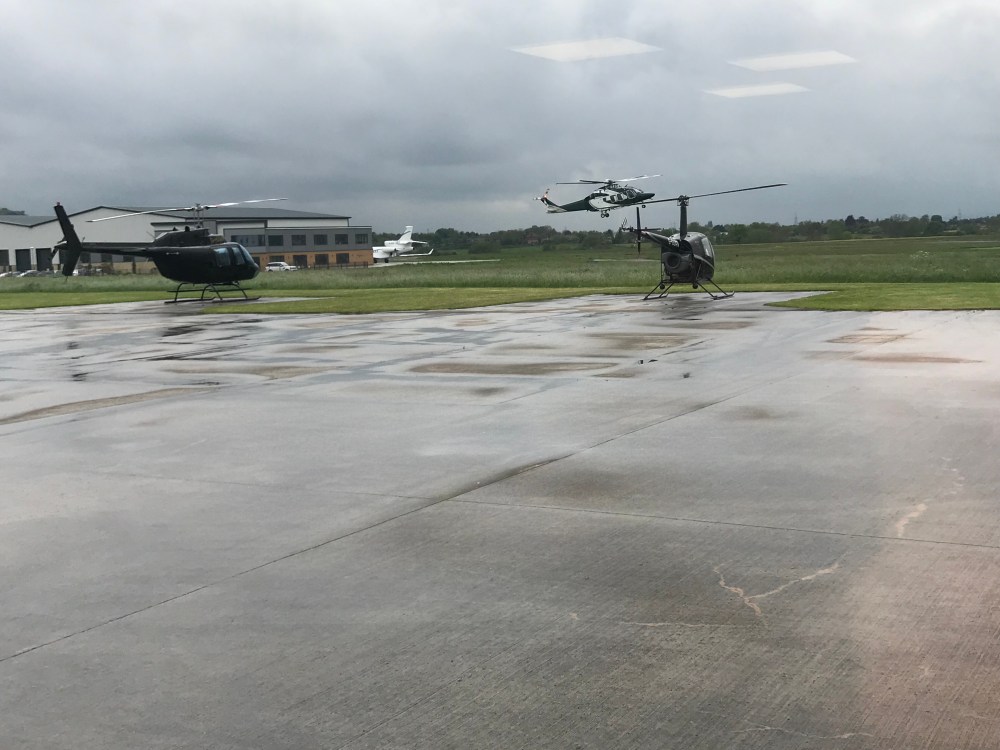
As with everything in Aviation, there was a lot of paperwork to do, licence, medical and logbook copies, syllabus, and the normal H&S procedures. The weather was plaguing the airfield so we headed out for a check A.

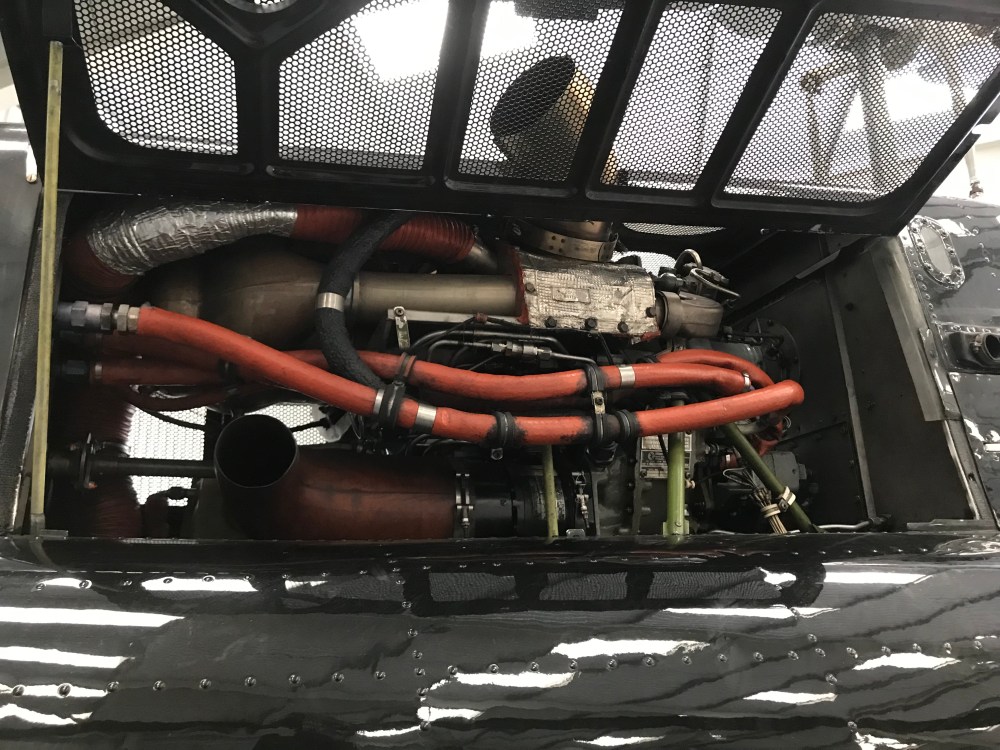
The first thing I realised is everything is a lot bigger, or more accurately higher. I’m not short by any stretch at 1m82, but it’s a stark comparison to crouching down to check the small Lycoming of the Robinsons. The Allison 250 turbine, looks like a kitchen bin with the rubbish on the outside but it’s easy to check over and look around with the cowlings open. Checking the main rotor blades and bunny ears on top of the head seemed a long way up and the blades were a considerable step change from the R44 as you’d expect.
We talked through the start ALOT. I’d read up on it a considerable amount before, and I’d seen it done 100’s times over the past 17 years. Nothing can replace first hand experience though, so sitting in the P1 seat with your right thumb over the starter and left hand on the throttle.. your actions are the only thing between a successful and hot start. Starter pushed…
Tick, tick, tick, tick, tick, tick, tick.. N1 at 15%, left hand rolls the throttle on, ‘CLICK’ goes the idle release, and cue the throaty roar of the Jet Turbine flame igniting above and behind your head.. keep that starter down! watching the Oil pressure rise, blades turning and then back to Turbine Outlet Temperature.. N1 at 58% and off the starter. Wipes sweat from forehead, no change of pants (or new Turbine) needed.
Torque now becomes your main eyes on, rather than Manifold Pressure like the R22 and R44. Rolling up to 100% N1 means not putting more than 40% torque through the rotor system.. this is important on wet or slippy ground as the 206 can start to spin. After the start, the rest of the start checklist is much more streamlined. No mag checks or Carb heat to worry about.
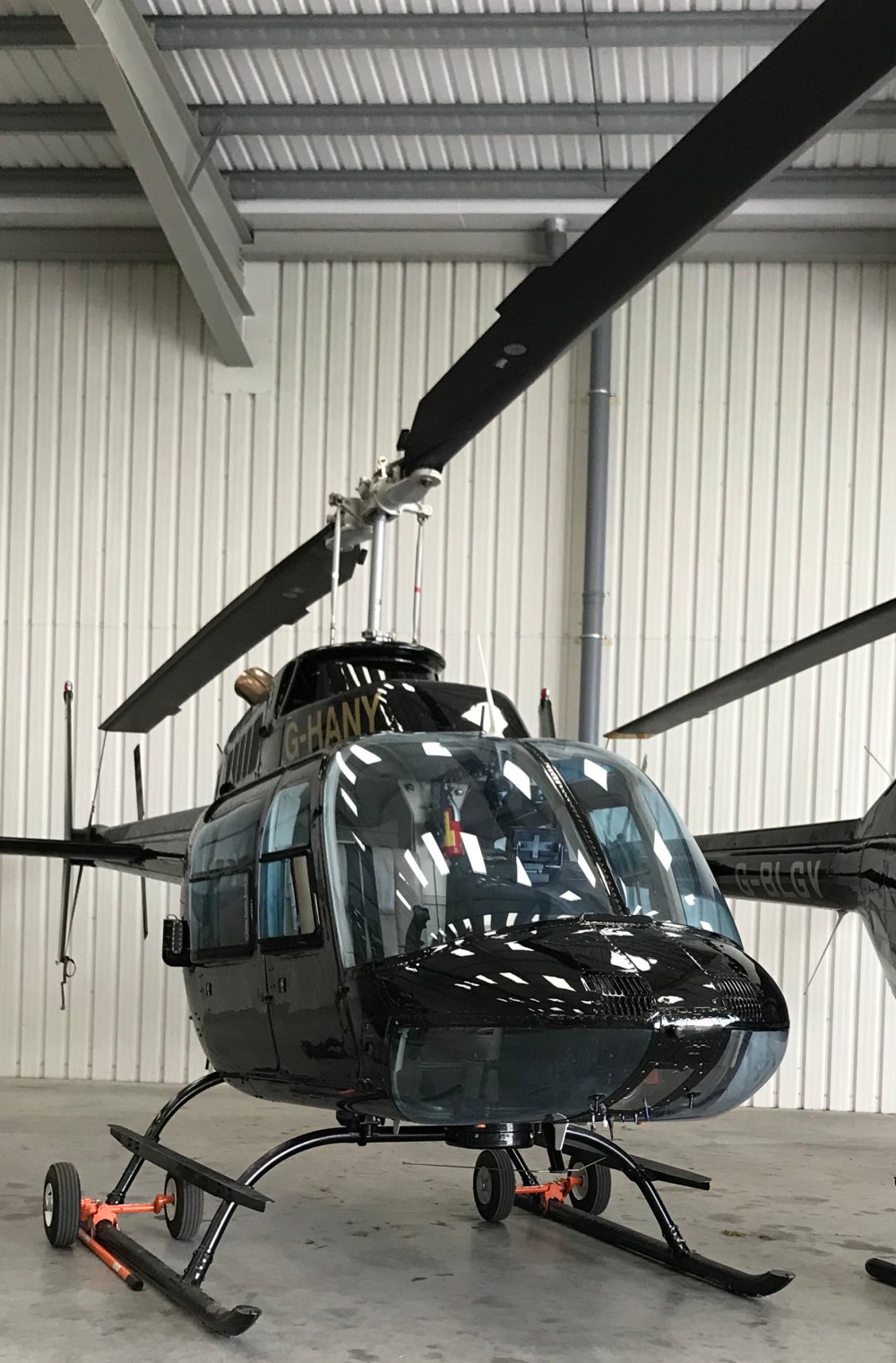
Lifting into the hover was a dream, you can hear the power changes and you can tell what power you’re pulling or if you’re pulling too quickly / not gently enough. Jules explained the need to put on the ‘Jetranger Hat’ when flying the 206. It needs to be treated differently and due consideration must be given to its abilities and flaws. We started with a familiarisation flight, up and out over the Cotswold via Bredon hill. A short break back at Gloucester followed and then we launched straight into precision transitions, downwind approaches, sloping landings and quick stops (which in the 206 are slow stops!).
Vortex Ring training was interesting. We entered the incipient stages twice for practice recovery. From 2500ft we did the first way I’d learnt during PPL training.. gain forward airspeed, at and above 30kias pull power. The second time around, Jules explained to just roll the aircraft to the right and almost fall out of vortex ring. It worked really well and was a lot smoother.
We departed for a confined area practice, and conducted en route power checks at 52kias straight and level, calculating remaining torque percentages available for what approach and landing could be achieved. Remembering to pull through to 100% torque to ensure it’s doable without rotor droop but not exceeding 80kias in doing so (as this would bend the rotor mast!).
The skills test quickly came around on the third day. I was examined by the Head of Training at the school, we did lots of PFLs and autos together the day before with fields he chose and fields I’d chosen. The airfield closed for an hour whilst we were up and the frequency was eerily silent. We completed a downwind 180 quick stop on to the heliflight apron and shut down.

The TRE ticked me over onto my 100th flying hour. Which was quite a milestone I thought. There’s a saying which I heard a lot as a youngster, it went something like: “you should never drive your dream car”.. the reasoning being, you hold it in such high regard and if it drives badly you’d have shattered your dreams of how amazing it was. I thought this would be the case for the 206. I’d always wanted to be able to fly the Jetranger and I can say it was everything I thought it would be. I look forward to getting more hours on it this year.

 Hourbuilding Adventures