
Firstly Merry Christmas, as we draw closer to the end of 2019 I’m going to spend a little time in this post reflecting back on the year of flying and the varied and interesting rotorcraft outings that have contributed to such an incredible year since passing the PPL(H) Skills Test. I think it is important to look back at why I started this blog at the beginning of the year, and that was to document the hour-building journey post PPL(H) to the Golden 155 hours needed to start the Commercial Flying Course.
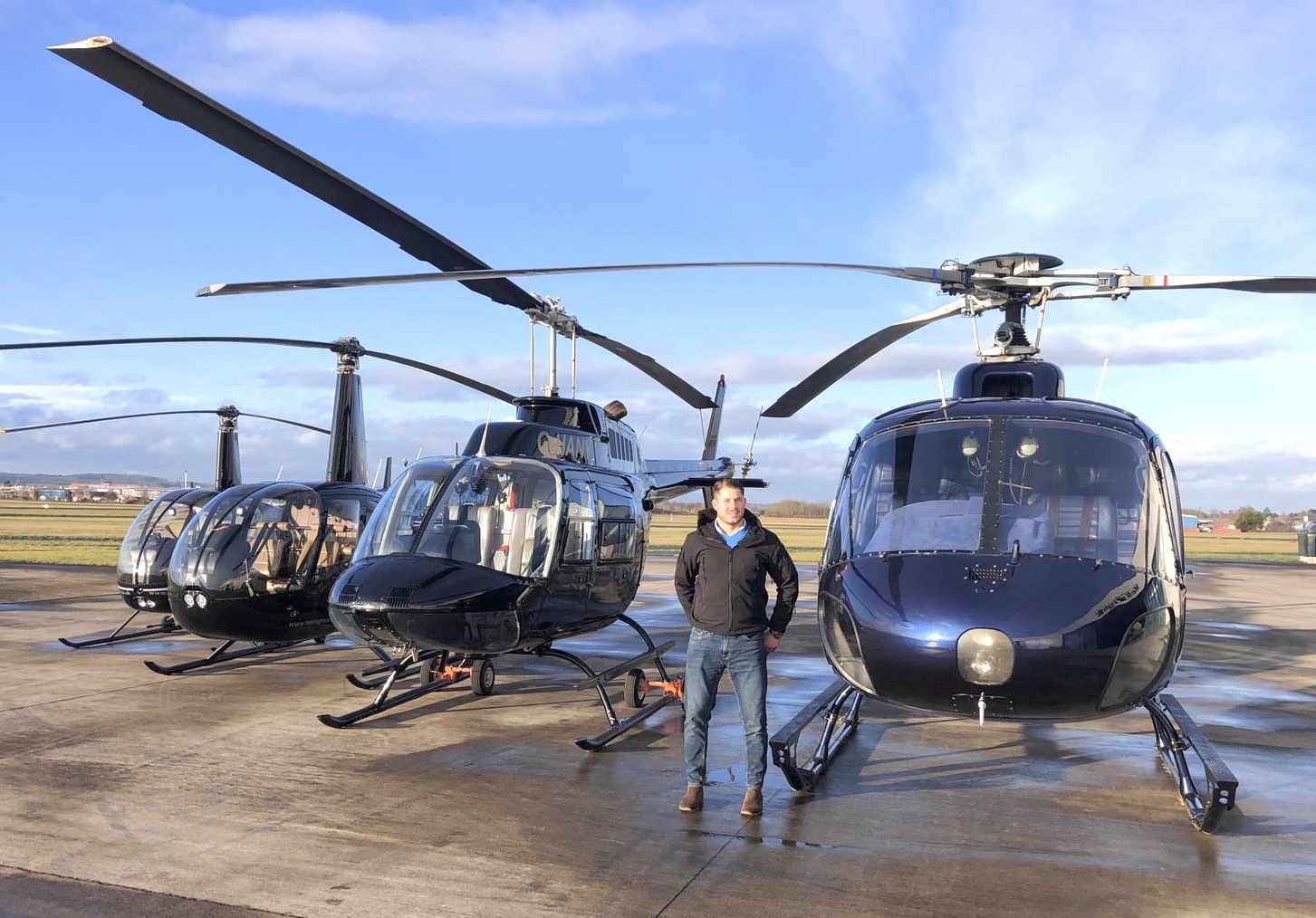
It has been a spectacular 12 months, with the closure of Rise Helicopters and having to move schools to Heliflight UK, a decision which proved to be one of the best in support of my flying progression to date. With their ever increasing number of types, positive and professional attitude towards training and the grown-up supportive atmosphere that is ever present it has been a real honour to be part of the team. As for the hour-building adventures this year, they have taken me to islands, beaches, military bases, helicopter championship events, hotels, private helipads and countryside retreats. I have experienced weather diversions, interesting RT, and learnt more about the aircraft I fly and flight planning than I ever though I would have.. and this is just the beginning.
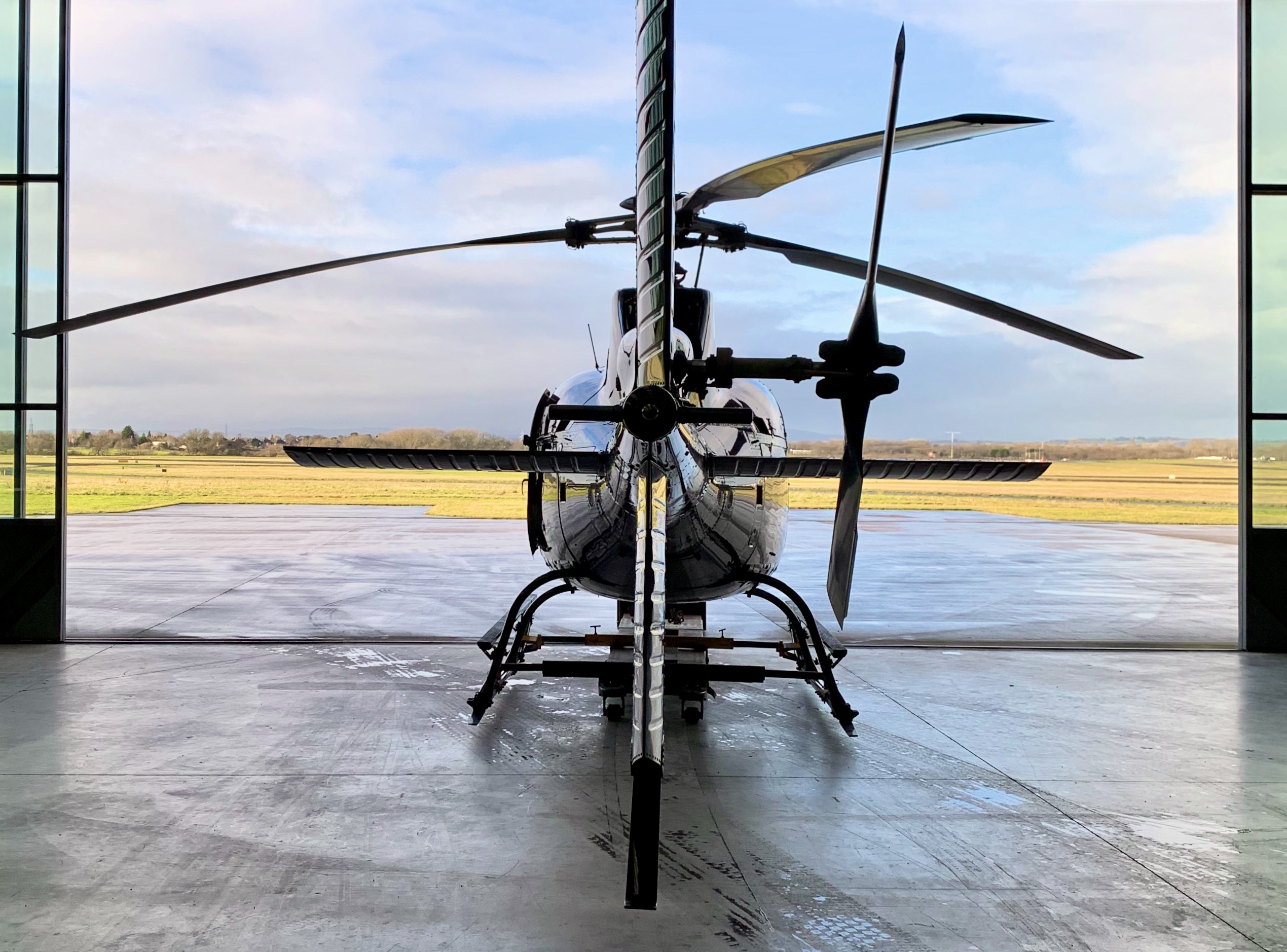
In fact, in the past year I have qualified and rated on the R44, Jetranger and the AS350, and it was a poignant moment, realising I passed the Skills Test for the Single Squirrel on the exact same date that I took my PPL(H) Skills Test one year previously. It marked a milestone in training progression, and really gave cause to look back at how much learning has been achieved on the journey towards CPL. With the first module of the CPL groundschool complete, the first 4 examinations taken, Class 1 Medical under my belt and rated on 4 types and 4 hours shy of the 155 hours it really has been a focussed year.

With the intention of the blog to also provide some insight to others striving to CPL I thought I would write a small piece about flying the single squirrel as part of this post.
Flying the AS350
On first look for those who haven’t been around the Squirrel before, it is a beautiful aircraft considerably more imposing than the Jetranger but still a single engine turbine. There was 17.5 hours of formal groundschool for the course, but on reflection I must have spent much more than that reading the flight manual, training handbook, OEB, Engine Manuals and checklists.
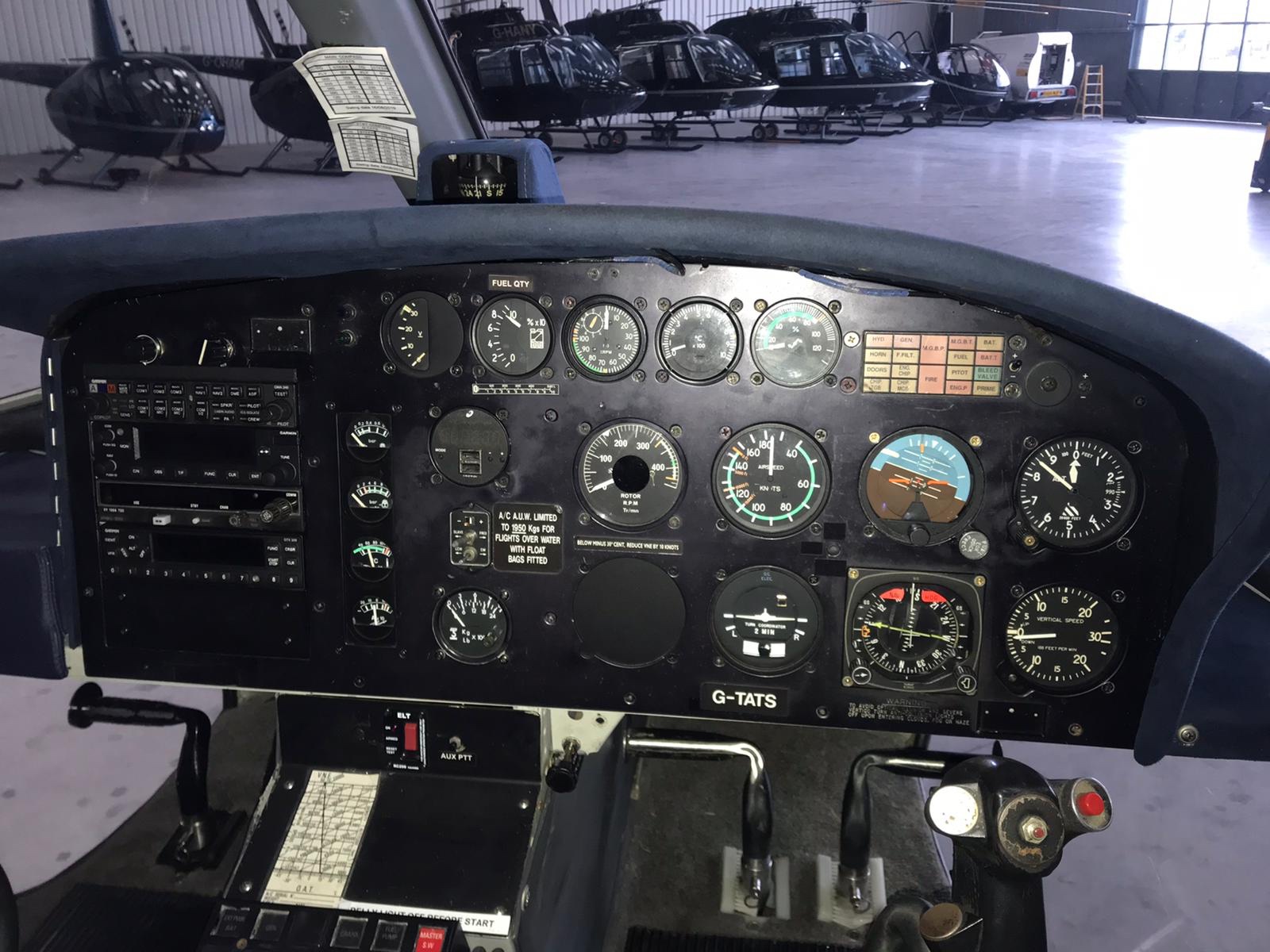
The most notable features of the AS350 over the Robinsons and the Jetranger, (except that extra blade) is the fact it has a semi-rigid bearingless rotorhead. The Starflex is a very impressive piece of Aeronautical engineering and any buffs should take the time to get stuck into reading about the design and its function in real detail. In comparison to the teetering system where the helicopter hangs beneath the head in a pendulous motion, the semi-rigid head means the helicopter moves with the movement of the rotor disc immediately. Hence, if you do not need to move the controls, then don’t.

When it comes to starting the machine, it is benign in comparison to the 206. The Fuel Control lever between the Pilot and Copilot seats allow for modulation of the start, with no tricky finger play like the Jetranger would have you doing. From getting in to airborne can really be in under 2 minutes if the start is slick. It’s an untouchable machine in its class.
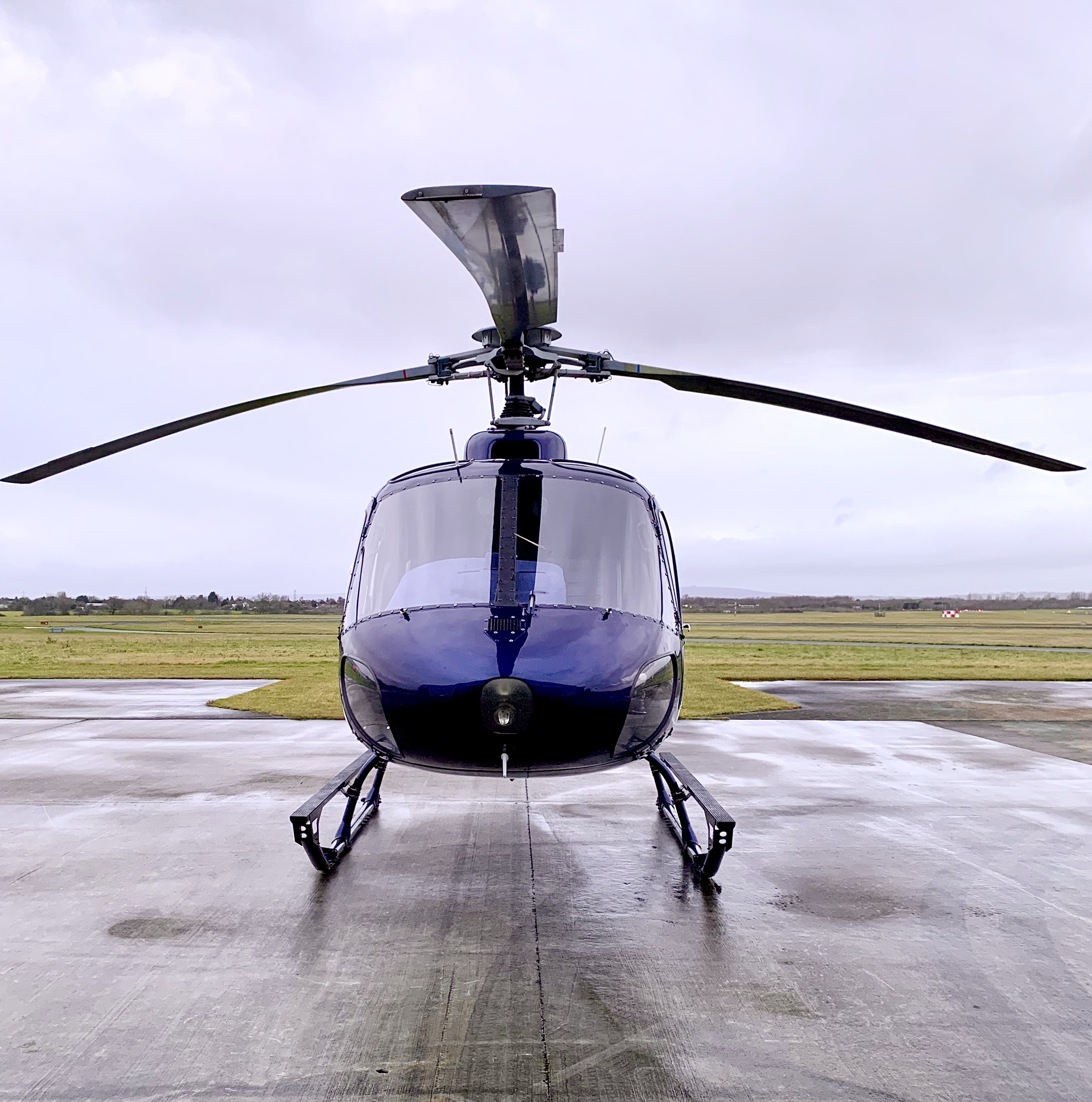
Right skid low! So other than the fact the rotors turn clockwise meaning right pedal on lifting into the hover, the fuselage sits right skid low and tail rotor drift is much more apparent when power is applied. You are taught to set take off cyclic which is back and right, apply left pedal, peel the helicopter off the ground and bring the stick forward and left as you do so to come up gracefully.
Tail rotor drift is remarkably noticeable and left pedal right stick combinations are very marked. Especially when practicing autorotations in different configurations. Lots of left pedal and right cyclic to keep the machine pinned on heading to land straight after the flare. However, when running on after a hydraulics failure. Where balance is very important, you almost have to lock your right leg to get the nose straight as you touch down.
The AStar invites you to be a little more gung-ho, due to its responsiveness in comparison to the Bell 206. Power is on demand, with an anticipator in the circuit with the Power Turbine Governor. In the Jetranger the lag can be felt and heard, and you are the anticipator in the circuit.
Landing the Squirrel on grass as with any helicopter is a completely non-event however on concrete the best advice I was given during the training was to not try and be perfect about it. Right pedal low and fly it into the landing, conscious of course to not smash yourself into ground resonance. It was an absolute dream to fly, and I can already see myself getting withdrawal symptoms if I don’t fly it often enough.

 Hourbuilding Adventures